The Book
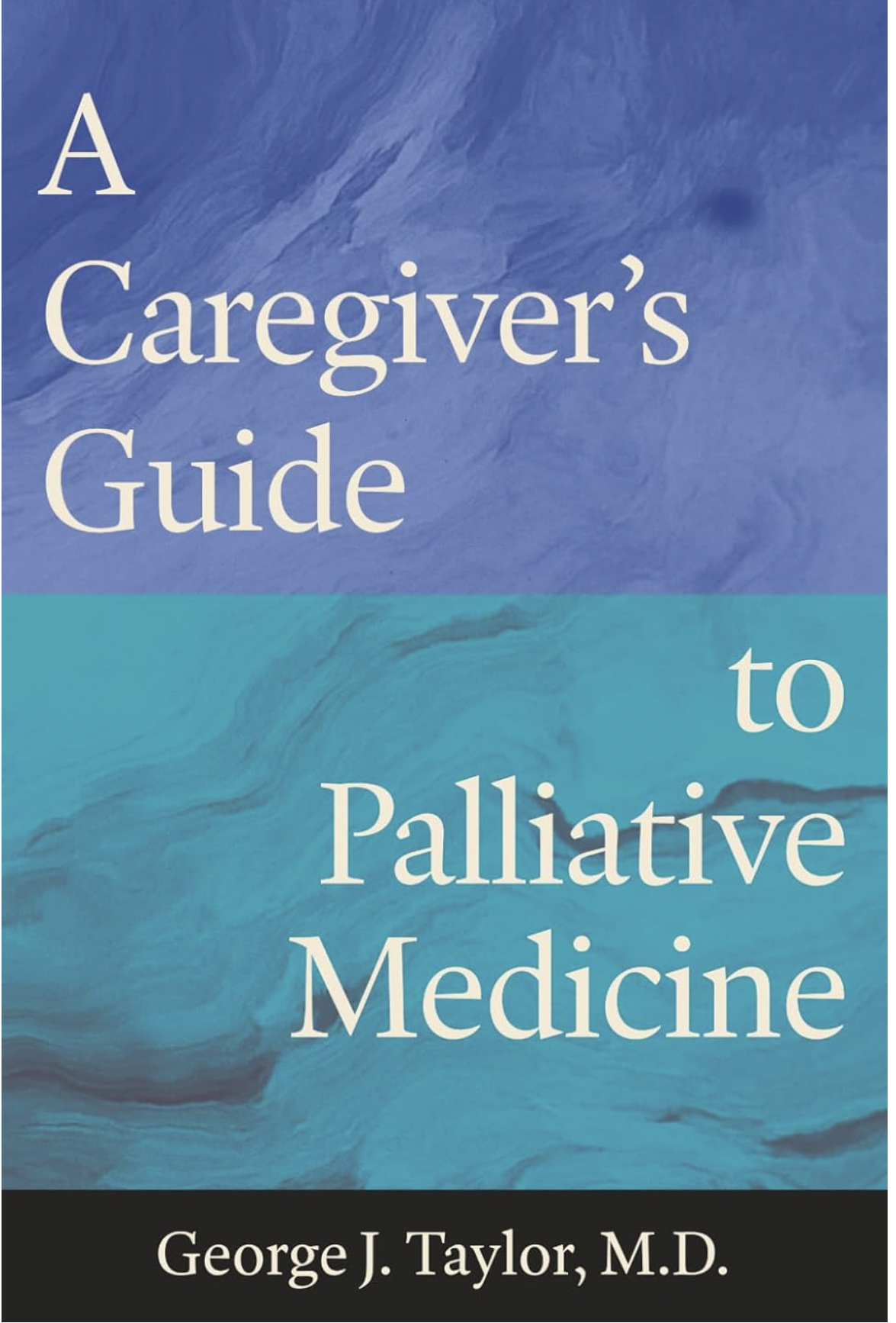
A Caregiver's Guide to Palliative Medicine
This is a practical medical guide for family caregivers
Most caregivers eventually become responsible for difficult medical decisions without medical training. This book explains in plain language what is happening, what treatments are available, what questions to ask, and how to make informed decisions with confidence.
Knowledge → Competence → Confidence → Comfort
Who will benefit from this book—and why
• Those facing serious illness—who want to know what is ahead
• Older people and their family—before a crisis
• Primary caregivers—who become medical decision-makers
• Spouses and adult children—who need to be on the same page
• Friends serving as caregivers
• Hospice clergy, social workers, and volunteers—who would benefit from understanding the medicine
• Nurses
• Medical and nursing students
• Doctors and nurses—evaluating this educational resource for their patients
Why this book is different.
Most books about caregiving focus on emotional support. This one explains the medicine.
A Caregiver’s Guide to Palliative Medicine is unlike most other books on end-of-life (EOL) care, which focus on social, spiritual, emotional, familial, and philosophical issues. But few explain the illnesses, treatment options, and medical decisions that patients and families must eventually face.
Caregivers suddenly find themselves deciding on treatments they never imagined. Oxygen. Dialysis. Feeding tubes. Chemotherapy. Hospitalization. Hospice. They may be pressed to make these decisions on the fly while frightened, exhausted, and without medical training.
They wonder,
“If I just knew more ”.
“Can I say no to the doctor?”
“Is this a dumb question?”
In plain language, this book explains caregivers’ rights and responsibilities, and specific information about illness and treatment choices. It also offers insight into what doctors and nurses experience. Caregivers can then participate confidently with the medical team and advocate effectively.
“A Caregiver’s Guide to Palliative Medicine frames caregiving as a role that requires a certain medical competence: not a doctor’s expertise but enough fluency to ask better questions, understand what is happening, and advocate effectively. End-of-life caregiving is often discussed in the gauzy language of acceptance, peace, and “dying well.” Taylor is offering something more immediate and less sentimental: the practical knowledge caregivers need when they are suddenly responsible for decisions they never expected to make… It is not padded with inspirational fluff… the tone is direct and humane.”
Jenny Catlin, Independent Book Review
What you’ll learn
No person should have to make life-changing decisions without understanding the choices. This book helps families replace uncertainty with understanding.
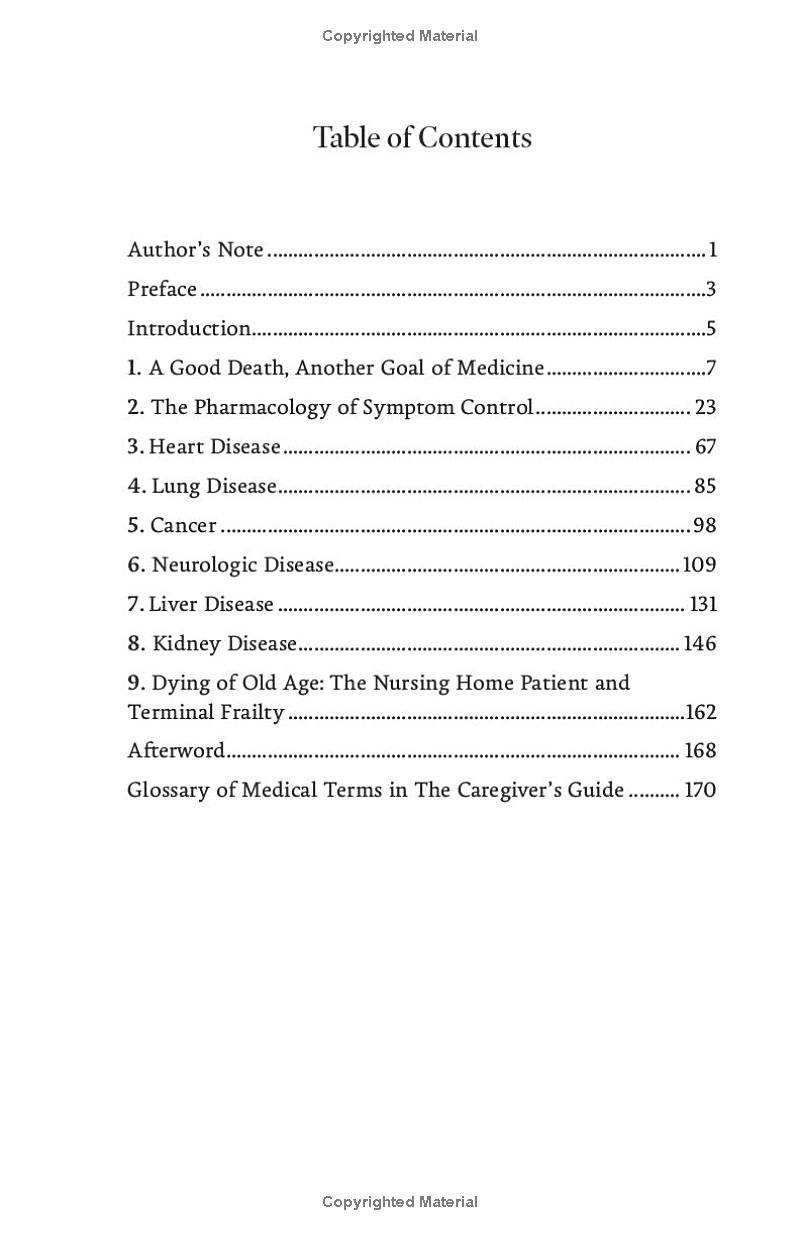
The book begins by giving the caregiver a toolkit for the work ahead. It explains how medical decisions are made, the roles of the patient, physician, nurses, and family caregiver, advance directives, hospice, and the medicines used to relieve symptoms (Chapters 1 and 2).
Individual chapters explain the major illnesses leading to end-of-life care, including heart failure, lung disease, cancer, liver disease, kidney disease, and neurological disorders. Each chapter describes what the illness does, available treatments, symptom relief, and medical decisions patients and families are most likely to face.
The last chapter describes a cause of death in old people that is seldom taught in medical school: death from old age in a nursing home. Terminal frailty.
As a caregiver using the book, or if you are browsing, read the first chapter (which is available as a sample on Amazon), then turn to the chapter dealing with your patient’s illness.
At that point, you will be prepared to advocate for your patient, the person you love.
A Caregiver’s Guide to Palliative Medicine is user-friendly
Conversations with the doctor go by quickly. Doctors often recommend educational materials because informed patients and caregivers participate more effectively in medical decisions. At just 200 pages, this guide is comprehensive enough to answer important questions, yet concise enough for busy caregivers to read. It explains complex medical issues to caregivers who do not have a science background without oversimplifying them.
How to use this book
It isn't meant to be read cover to cover. Read the first twenty pages, including Chapter 1, which introduces end-of-life medicine and basic principles useful to all caregivers and families. Chapter 2 describes medicines used for palliation in detail; use it as a reference. Then turn to the chapter(s) that focus on your patient’s condition. It may include multiple chapters. For example, your loved one with dementia (Chapter 6) may develop kidney disease (Chapter 8), or at some point need nursing home care (Chapter 9). Although the explanations are brief, they don’t shy away from the technical aspects of disease and treatment. They will become clearer on second reading. We’ve gotten used to learning online, but sometimes it helps to have a book in your hand.